The Glucose Blunting Framework
A tactical approach to meal sequencing. Learn the "Phytonutrient Pre-load" method to strategically use fiber and acidity to flatten your blood sugar curve and prevent the post-meal insulin spikes that trigger fat storage.





The objective of the GB-01 Framework is the manual regulation of the post-prandial glucose curve. In a state of Fat Resistance, the body’s natural ability to dampen sugar spikes is compromised. By following this logistical sequence, you create a biological buffer that protects the pancreas and prevents the hormonal "storage" signal from overriding your metabolic rate.
Phase 1: The Enzymatic Deactivation (T-Minus 15 Minutes)
Before food enters the system, the body’s chemical environment must be shifted from "storage" to "processing." This is achieved through acetic acid intervention.
The Acidic Prime
Consuming 15ml of organic apple cider vinegar diluted in 250ml of water significantly alters the digestive process.
- The Mechanism: Acetic acid temporarily deactivates alpha-amylase, the enzyme responsible for breaking down starch into glucose.
- The Result: Starchy carbohydrates are broken down much more slowly, or they bypass the small intestine entirely to become prebiotic fiber for the large intestine.
Phase 2: The Physical Barrier (The Fiber First Rule)
The sequence of food intake determines the speed of glucose absorption. The first item to hit the stomach must be the Fiber Barrier.
Structural Mesh Creation
Fiber is not a nutrient in this context; it is a structural tool. When consumed first, it creates a viscous, jelly-like mesh along the walls of the small intestine.
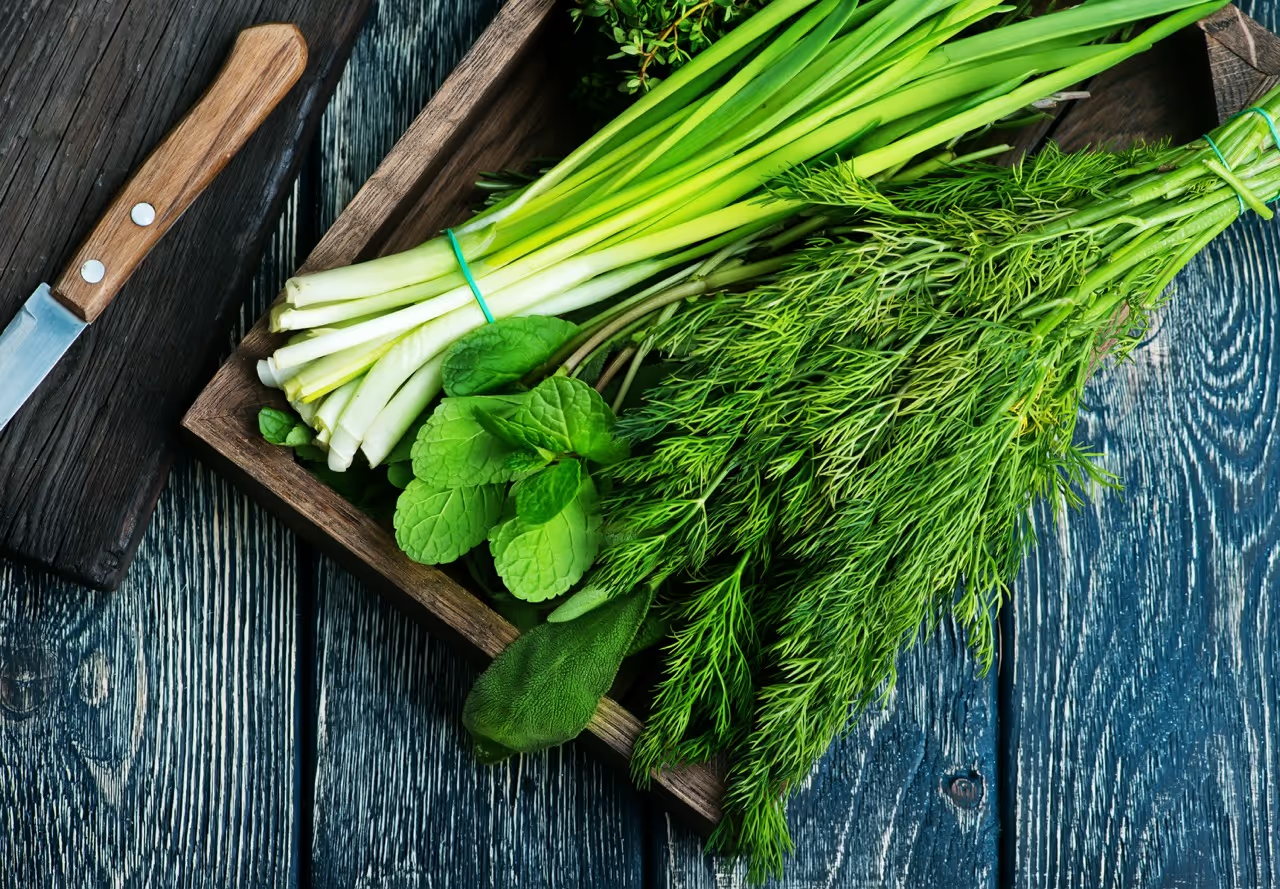
- Operational Standard: Begin the meal with a high-volume intake of raw leafy greens or the "Hero" herbs (parsley/cilantro).
- The Result: This mesh acts as a physical filter, trapping glucose molecules and preventing them from rushing into the bloodstream simultaneously. This ensures a "slow drip" of energy rather than a metabolic flood.
Phase 3: The Hormonal Anchor (Proteins and Lipids)
Once the fiber barrier is established, the body requires signals to trigger satiety hormones (GLP-1 and CCK).
Anchoring the Meal
Proteins and fats should be consumed second in the sequence.
- The Mechanism: The presence of fats and proteins in the stomach slows down "gastric emptying"—the speed at which food leaves the stomach and enters the small intestine.
- The Result: By keeping food in the stomach longer, the fiber mesh is reinforced, and the glucose from any subsequent carbohydrates will enter the blood even more gradually.
Phase 4: The Starch Buffer (The Finish Line)
Carbohydrates and sugars (even from natural sources like berries) must always be the final component of the meal.
Mitigating the Spike
By the time you reach the carbohydrate portion of your meal, you have already established:
- An enzyme-deactivated environment.
- A physical fiber mesh.
- A slow gastric emptying rate.
- The Result: The insulin response is blunted by up to 50–70% compared to eating the same carbohydrates at the beginning of the meal. This keeps insulin levels low enough to allow the body to continue burning fat while still processing the energy from the meal.
Technical Audit: Prohibited Combinations
The GB-01 Framework is rendered ineffective if the following "Short Circuits" occur:
- The Liquid Glucose Bypass: Consuming fruit juice or sweetened beverages during the meal. Liquids bypass the fiber mesh and the stomach’s transit timing, hitting the liver instantly.
- The Naked Starch: Consuming carbohydrates (like a piece of bread or fruit) on an empty stomach without the preceding phases. This causes an immediate "Red Zone" spike.