Ingredient Spotlights
Deep-dive research on how specific foods, like fresh herbs and strawberries, actively reduce inflammation and supercharge your metabolism.






This guide provides the technical specifications for the two primary "Fat Resistance" agents used in our metabolic protocols. Usage should be based on chemical yield and bio-availability rather than culinary preference.
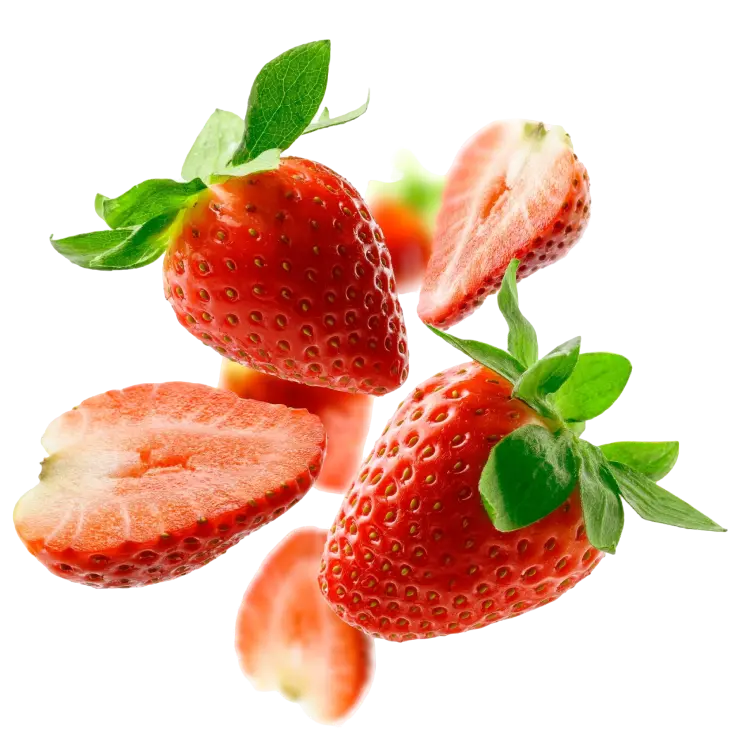
Agent 01: Fragaria × Ananassa (Garden Strawberry)
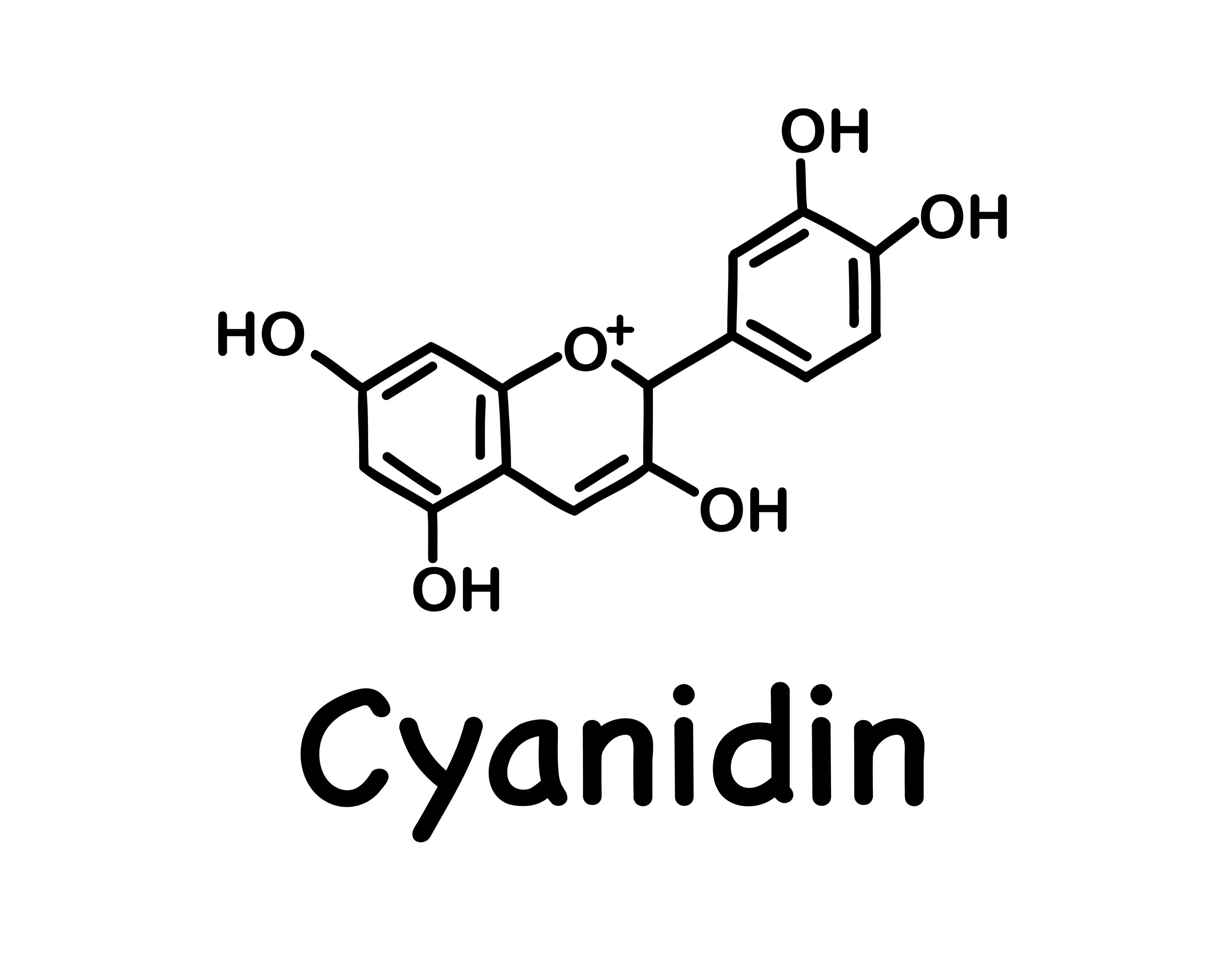
Metabolic Classification: Pancreatic Protective Agent / Glycemic BufferPrimary Active Compound: Anthocyanins (Pelargonidin-3-glucoside)Secondary Active Compound: Ellagic Acid & Fisetin
Target Biological Mechanisms
- GLUT4 Translocation: Direct stimulation of the glucose transporter protein, enabling cellular uptake without requiring excessive insulin secretion.
- CRP Attenuation: Systematic reduction of C-reactive protein to clear inflammatory "noise" from the blood-brain barrier.
- Alpha-Glucosidase Inhibition: Delays the hydrolysis of carbohydrates in the small intestine.
Shutterstock
Explore
Standardized Preparation Protocols
- Thermal Restriction: Compounds are highly volatile; exposure to temperatures exceeding 40°C results in a 60% loss of bio-activity. Consume raw.
- The "Maceration" Technique: Slicing the fruit 10 minutes prior to consumption triggers an enzymatic defense response, increasing the measurable concentration of antioxidants.
- Recommended Cycle: 150g administered 15 minutes prior to the largest carbohydrate-heavy meal of the day.
Agent 02: Fresh Leafy Herbals (Parsley/Cilantro/Mint)
Metabolic Classification: Flavonoid Concentrate / Detoxification CatalystPrimary Active Compound: Apigenin (Parsley)Secondary Active Compound: Rosmarinic Acid & Chlorophyll
Target Biological Mechanisms
- NAD+ Preservation: Apigenin serves as a potent inhibitor of CD38, preventatively stopping the age-related decline of energy-producing molecules.
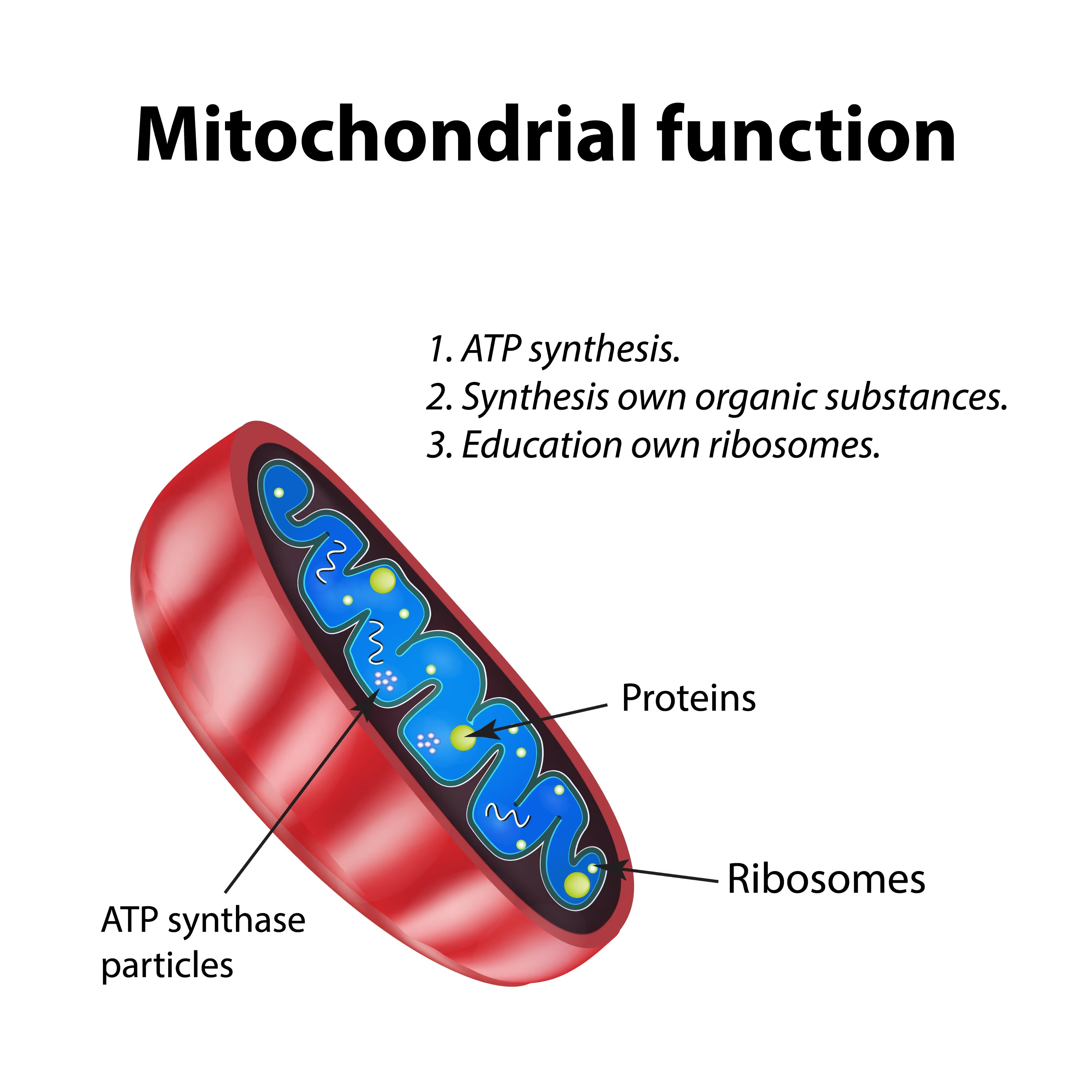
- Heavy Metal Chelation: Specific compounds in cilantro bind to environmental toxins that disrupt mitochondrial function.
- Intestinal Barrier Support: Rosmarinic acid fortifies the tight junctions of the gut, preventing the systemic inflammatory triggers associated with "leaky gut."
Shutterstock
Standardized Preparation Protocols
- Bulk Volumetric Dosing: Herbs must be treated as a primary vegetable source, not a garnish. Minimum daily intake: 50g (weighted).
- Cell Wall Disruption: Fine mincing is required to break the fibrous cell walls and release the volatile oils.
- Bio-availability Pairing: Must be consumed with a high-polyphenol acid (lemon juice or apple cider vinegar) to stabilize the apigenin during digestion.
Join our SMS list


Oops! Something went wrong while submitting the form.